
I spent Passover this year in Istanbul, a choice that I know may sit uncomfortably with some. There is a tendency, especially now, to sort the world into neat categories:
Safe and unsafe.
Familiar and foreign.
Ours and theirs.
Modern identity politics thrives on that kind of simplification. Reality, as it turns out, is far less accommodating.
I was privileged to be hosted by my Group 10 teammate, Rabbi Mendy Chitrik, whose warmth and generosity made space for Seders that were deeply meaningful and alive. And yet, alongside that beauty was a quieter truth that was impossible to ignore. In a place where Jewish visibility can carry risk, there is an unspoken awareness; when to be open, when to be discreet, when to soften the edges of who you are in order to move through the world with ease.
That tension made the themes of Passover land differently. Freedom, in its most basic sense, is not abstract. It is the ability to exist fully, without calculation. To speak, gather, and identify openly without first assessing the room. Traveling through Turkey meant experiencing a version of Jewish life that required a large degree of self-editing, which only sharpened the contrast with the story we were retelling at the Seder table.
I left with more questions than answers, which feels appropriate for Passover. The story we tell each year is not just about leaving, but about what it means to live freely once you can. Sometimes, understanding that requires stepping outside the comfort of our own environments and confronting the places where that freedom is still, even now, conditional.

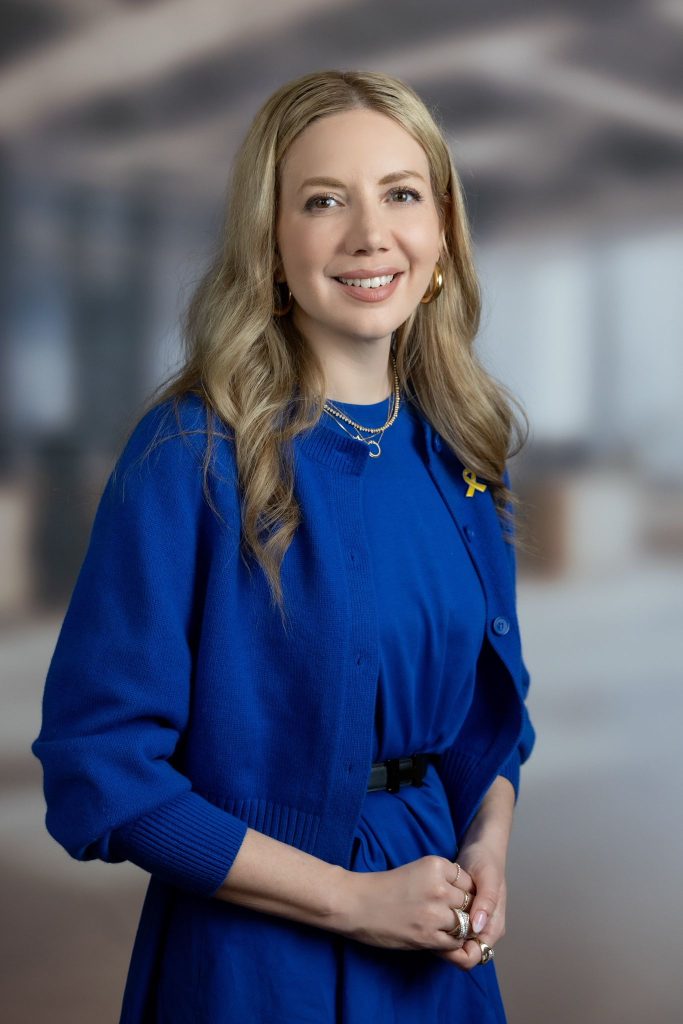

Hadassah Slavin works directly with the most discerning clients of the world’s foremost jeweler. When she’s not drooling over diamonds, she engages in online activism through social media as a writer who focuses on empowering other Jews with her words.



By clicking “Accept All Cookies”, you agree to the storing of cookies on your device to enhance site navigation, analyze site usage, and assist in our marketing efforts.