
Celebrating Sigd: A Day That Lives On

Every year on the 29th of Cheshvan, Jerusalem’s central bus station fills with Ethiopian Israelis, thousands of my community coming together to pray and remember. Growing up as a sabra (a native-born Israeli), I knew this was where I had to be. I belonged to the gathering long before I understood it.
Only when I grew up did I understand the heritage that I had inherited.
Sigd, which starts tonight, means “bowing” in Ge’ez (the ancient language of the community’s prayers and holy texts) and was a day of longing for Yerusalem (Jerusalem). Observed exactly fifty days after Yom Kippur, the day echoes the period from Passover to Shavuot and the giving of the Torah. In Ethiopia, our people would walk for days to reach the gathering place, a high mountain upon which they would face east toward Jerusalem. Dressed in white and fasting, they followed the Kessim, the community’s spiritual leaders, up the mountain.
At the top, the Kessim read passages recounting the giving of the Torah at Mount Sinai and the renewal of the covenant in the Book of Nehemiah. They would hear how Ezra gathered the Jewish people, read the Torah, and called on them to keep God’s ways. They would then descend the mountain and enjoy a festive meal, hoping their prayers to be reunited with the Jewish people and reach Jerusalem would be fulfilled.
In Ethiopia, Sigd has been a matter of survival. For centuries, Ethiopian Jews held on to our Jewish identity despite pressure to convert. The holiday is a time to remember the giving of the Torah, renew the covenant between the people and God, and strengthen Jewish identity and the bonds of the community. Coming together the way we do is a reminder to each of us that we are not alone.
I never climbed the mountain in Ethiopia. My parents did not hand me Sigd as a lesson. They brought me along, year after year, to commemorate the day, and something passed into me without explanation. When I finally asked myself what kept pulling me back to Jerusalem, I realized I had been given more than a ritual. I had inherited a way of gathering, remembering who we are, and carrying our present into our prayers. This is how traditions survive. The doing comes first. You may not understand it at first, but the doing makes you want to ask. And when you finally do, the answer is already part of you.
Only in 2008, after a long struggle by the Ethiopian Jewish community, the Knesset made Sigd a national holiday. Today the main Sigd ceremony takes place at Armon Hanatziv in Jerusalem, led by our Kessim and attended by Israeli government officials. This high point over the city reminds us of the mountaintop in Ethiopia from which our ancestors looked toward Jerusalem. Some of the community also gather at the Western Wall to be near where the Temple stood.
Today, Sigd still marks the covenant of Sinai, the preservation of Jewish identity, and the strength of the community. For those of us fortunate enough to be in Israel, the holiday has taken on an additional meaning: a day of thanksgiving for a dream fulfilled. After generations of longing, some of us have made it to Jerusalem, reunited with the Jewish people.
The Kessim’s prayers also hold the present moment. They call for unity among the Jewish people and within Israeli society, and they pray for those who are missing. For more than ten years, we prayed for the return of Avera Mengistu, who was held by Hamas in Gaza and came home in 2025. Haymanot Kasau disappeared from an absorption center in 2024, when she was nine years old. More than two and a half years later, she has still not been found, and we are praying for her return.
Sigd is not only an ancient custom dating back to the time of Nehemiah and preserved by our community in Ethiopia. The day is memory, renewal, and a living response to the moment we are in.
I encourage you to witness Sigd in Jerusalem for yourself. You may not understand everything on your first visit. But you will see a community that once prayed to reach this city, has finally arrived, and is still praying together for the unity and future of the Jewish people.
Author spotlight
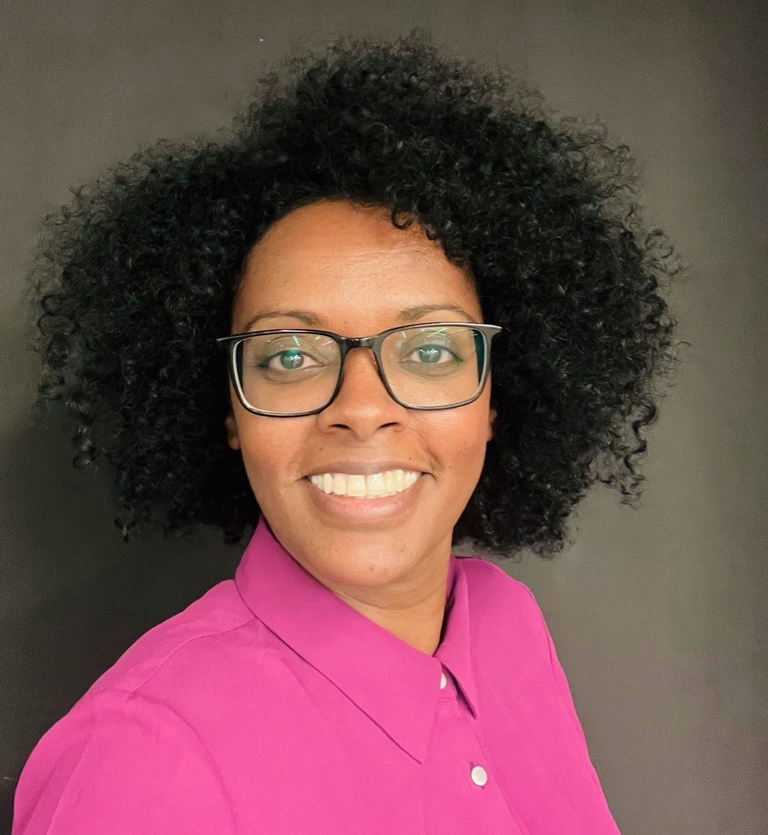
Author
Zehava Tesfay
Zehava Tesfay is a Project Manager at Voice of the People and brings vast experience in the fields of migration and social welfare. She has expertise in working with the global Jewish community and has led trainings for the next generation of emissaries to Jewish communities in North America. She has held key positions in leading organizations such as the Jewish Agency, JDC, and the International Fellowship of Christians and Jews. In her most recent role, she managed the Israeli delegation of the Jewish Agency and the UJA-Federation of New York for three years. In addition, Zehava is a business partner at Solvie, a company dedicated to transforming social service delivery within Israel. Zehava holds a bachelor’s degree in Education and Sociology, complemented by a master’s degree in Nonprofit Management and Community Organizations, and is a graduate of the Maoz program.